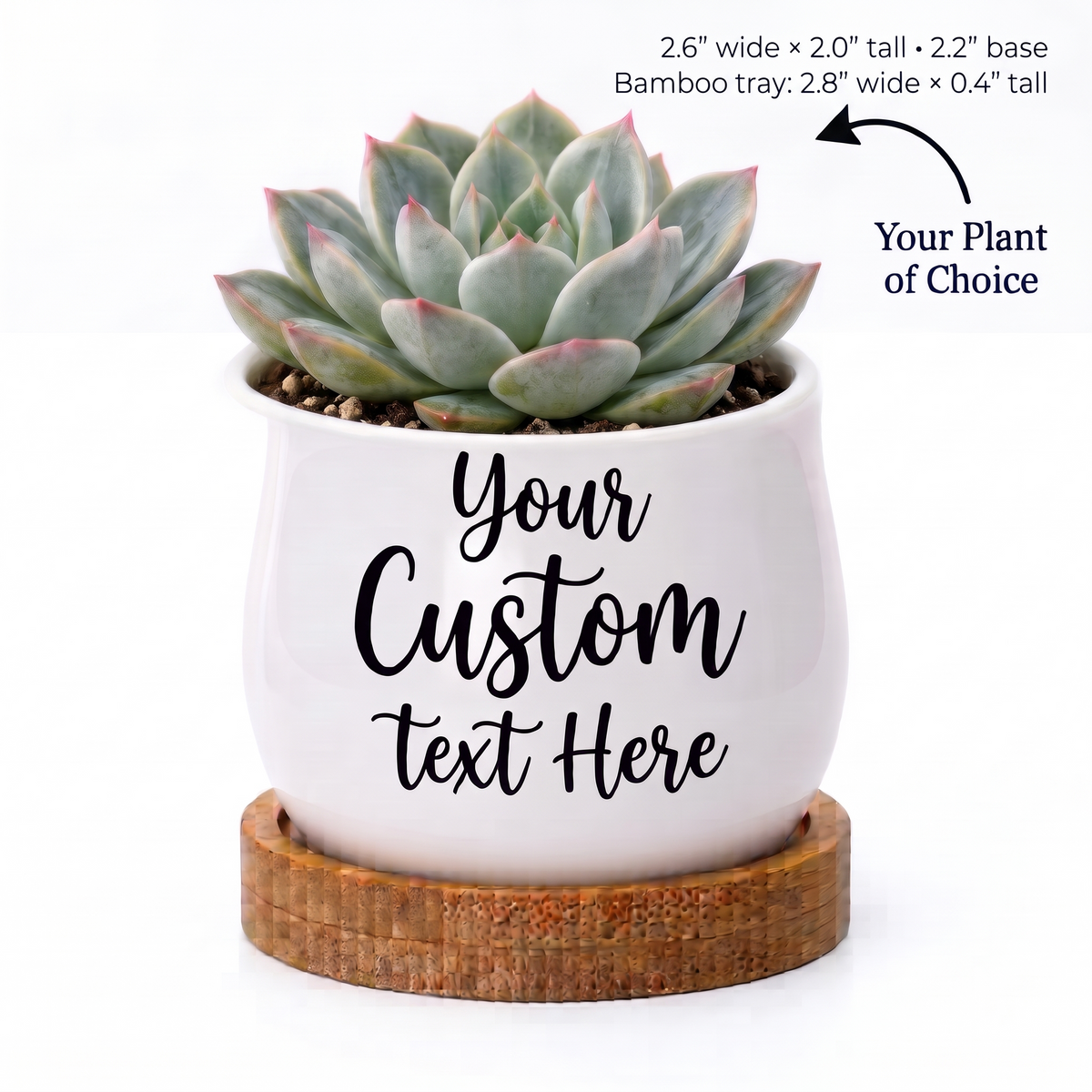


Sempervivum 'Soothsayer'
Couldn't load pickup availability
-
![]() Sempervivum 'Soothsayer' is a cold hardy succulent in the Crassulaceae family, native to the mountainous regions of Europe and western Asia. This hens and chicks variety evolved in rocky, windswept terrain where it grows with minimal water and maximum sun exposure.
 Soothsayer forms tight, symmetrical rosettes in emerald green with fine silvery edges. The compact leaves cluster and spread readily through offsets, creating a carpet-like display that fills a container or garden bed over time. Each rosette maintains consistent form season after season.
 Like all Sempervivum, each rosette blooms once before the parent plant fades, making way for the many offsets surrounding it. A natural drop in night temperatures triggers the bloom cycle. The clump fills in quickly after the parent rosette completes its cycle.
 Soothsayer handles drafty balconies, dry heated indoor air, and outdoor conditions well into autumn. Place it in rock gardens, alpine troughs, containers, or window boxes where wind and rain are part of the environment. It is safe for households with cats and dogs. Separate the small offset rosettes from the mother plant to propagate new plants in gritty soil.
-
 Sempervivum 'Soothsayer' grows well in full sun to partial sun, needing at least four to six hours of direct light daily.
 Water it deeply but infrequently, allowing soil to dry completely between waterings, roughly every ten to fourteen days indoors.
 Soothsayer does best in a gritty, fast-draining succulent or cactus mix amended with extra perlite or coarse sand.
 It handles temperatures from around 25°F up to 90°F and is frost tolerant for a succulent.
![]() Soothsayer is a slow to moderate grower needing little to no fertilizer, though a diluted succulent feed once in spring can support offset production.
 It is hardy in USDA zones 3 through 8, tolerating frost well below 25°F and surviving harsh winters with ease. It grows outdoors year-round across Montana, North Dakota, South Dakota, Minnesota, Wisconsin, Michigan, Wyoming, Colorado, Nebraska, Kansas, Iowa, Missouri, Illinois, Indiana, Ohio, Pennsylvania, New York, Vermont, New Hampshire, Maine, Massachusetts, Connecticut, Rhode Island, New Jersey, Delaware, Maryland, Virginia, West Virginia, Kentucky, Tennessee, North Carolina, Arkansas, Oklahoma, Idaho, Oregon, Washington, Utah, Nevada, and New Mexico without winter protection in most areas.
Perfect For Every Occasion: housewarming, thank-you gift, holiday or stocking filler, teacher appreciation, corporate or client gift, employee appreciation, birthday party favor
What This Plant Symbolizes: protection from adversity, resilience and endurance, prosperity and good fortune, lasting strength
A Thoughtful Gift For: green-thumbed gardeners, hardy plant enthusiasts, a coworker or boss, anyone seeking low-maintenance beauty, minimalist decor lovers, beginners and plant parents
-
Q: How often should I water Sempervivum 'Soothsayer'?
A: Only when the soil is completely dry, typically every ten to fourteen days indoors and less often outdoors in cool weather. It tolerates drought far better than overwatering.
Q: Is it safe around pets?
A: Sempervivum 'Soothsayer' is non-toxic and safe for cats and dogs, so you can display it anywhere.
Q: How cold hardy is Soothsayer?
A: It handles temperatures well below freezing and is rated for USDA zones 3 to 8, making it one of the toughest cold hardy succulents.
Q: How fast does it spread?
A: Soothsayer produces offsets steadily throughout the growing season at a slow to moderate pace, forming an attractive clump over a few seasons.
Q: Can Soothsayer survive outdoors year-round?
A: In USDA zones 3 through 8, it stays outdoors all year including winter and handles balcony wind, rain, and frost without needing to be brought inside.
Q: How do I propagate it?
A: Separate the small offset rosettes, called chicks, from the base of the mother plant and pot them up in gritty, well-draining soil where they root quickly.